Kinesiotaping
Therapeutic taping that supports muscles and joints, enhances movement, and reduces strain during recovery.
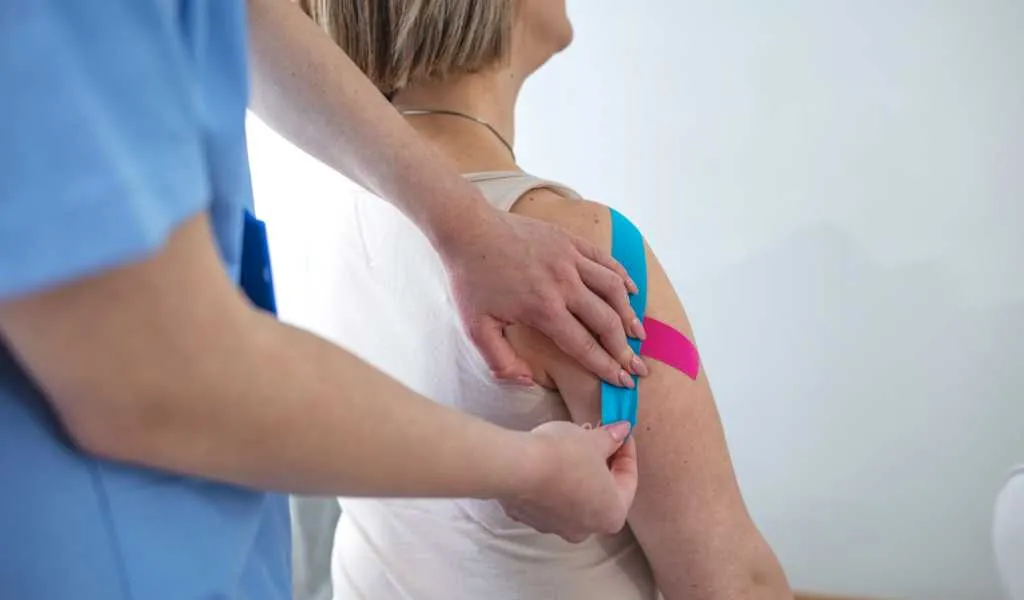
What Is Kinesiotaping?
Kinesiotaping is a therapeutic taping technique that uses a specialized elastic adhesive tape to support muscles, joints, and soft tissues without restricting the body’s natural range of motion. Unlike traditional athletic tape that immobilizes a joint, kinesiology tape is designed to stretch and recoil with the body, providing dynamic support that allows full movement while reducing strain on injured or overworked tissues.
At Chiropractic First, Dr. Townsend uses kinesiotaping as a complementary therapy that extends the benefits of chiropractic adjustments and soft tissue treatments between office visits. The tape is applied in specific patterns based on the patient’s condition, and it remains in place for three to five days, providing continuous therapeutic support around the clock. This makes kinesiotaping particularly valuable for patients who need ongoing support during their daily activities.
How Kinesiotaping Works
The therapeutic effects of kinesiology tape operate through several physiological mechanisms. When applied with the proper tension and direction, the tape gently lifts the skin away from the underlying fascia, creating a microscopic space that improves blood and lymphatic circulation. This decompression effect reduces swelling, promotes nutrient delivery to injured tissue, and helps clear metabolic waste products that contribute to pain and inflammation.
The tape also provides proprioceptive feedback to the nervous system. Proprioception is the body’s sense of position and movement. When tape is applied over a muscle or joint, it stimulates cutaneous mechanoreceptors in the skin, giving the brain enhanced information about the position and movement of that body part. This improved sensory input helps the body maintain better posture, move more efficiently, and avoid positions or movements that could aggravate an injury.
Additionally, kinesiotaping can influence muscle activation patterns. Depending on how the tape is applied, whether along or across the muscle fibers, and with what degree of tension, it can facilitate an underactive muscle or inhibit an overactive one. Dr. Townsend uses this property strategically to address specific muscle imbalances identified during examination.
Common Applications of Kinesiotaping
Dr. Townsend applies kinesiotaping at Chiropractic First for a wide variety of clinical situations:
- Low back pain support during work or daily activities
- Shoulder stabilization following rotator cuff treatment
- Knee support for patellofemoral tracking issues
- Postural correction for rounded shoulders and forward head carriage
- Ankle support after sprains
- Swelling reduction in acute injuries
- IT band support for runners
- Wrist support for carpal tunnel symptoms
- Pregnancy-related low back and pelvic support
- Post-adjustment support to help the correction hold
- Athletic performance support during competition and training
Each application uses a different taping pattern with specific tension levels tailored to the therapeutic goal. Dr. Townsend selects the appropriate technique based on your examination findings and treatment objectives.
What to Expect with Kinesiotaping
The taping process is quick and painless. Dr. Townsend cleans and prepares the skin, then applies the tape in the prescribed pattern. The tape is water-resistant and breathable, so you can shower, exercise, and continue all normal activities while wearing it. Most patients forget the tape is there within an hour of application.
You may notice a gentle pulling sensation on the skin, which is normal and indicates the tape is providing its lifting and proprioceptive effects. If the tape causes itching, excessive redness, or irritation, remove it and notify the office. Skin sensitivity to adhesive is uncommon but can occur.
When it is time to remove the tape, apply a small amount of oil or lotion to dissolve the adhesive, then peel slowly in the direction of hair growth. This minimizes any discomfort during removal.
Kinesiotaping as Part of Your Treatment Plan
At Chiropractic First, kinesiotaping is used as one component of a comprehensive care plan. It works best when combined with chiropractic adjustments, soft tissue therapies, and corrective exercises. The tape helps maintain the gains achieved during your office visit, providing continuous support until your next appointment.
Dr. Townsend determines whether kinesiotaping is appropriate for your condition during your examination. Not every patient needs taping, but for those who benefit from it, it can significantly enhance treatment outcomes and provide meaningful relief between visits.
Why Choose Chiropractic First for Kinesiotaping
Dr. Townsend’s knowledge of biomechanics and soft tissue function allows him to apply kinesiology tape with clinical precision. Proper application technique is essential for achieving therapeutic results, and generic taping from online tutorials often fails to provide meaningful benefit. Patients in South Burlington trust Dr. Townsend to apply the right tape, in the right pattern, with the right tension for their specific condition.
Schedule Your Appointment
Ready to find out if kinesiotaping is right for you? Call (802) 474-4258 or request an appointment to get started.
Ready to Get Started?
Contact us today and take the first step. Free consultations available.