Extremity Adjusting
Targeted joint adjustments for shoulders, knees, wrists, ankles, and other extremities to restore mobility and reduce pain.
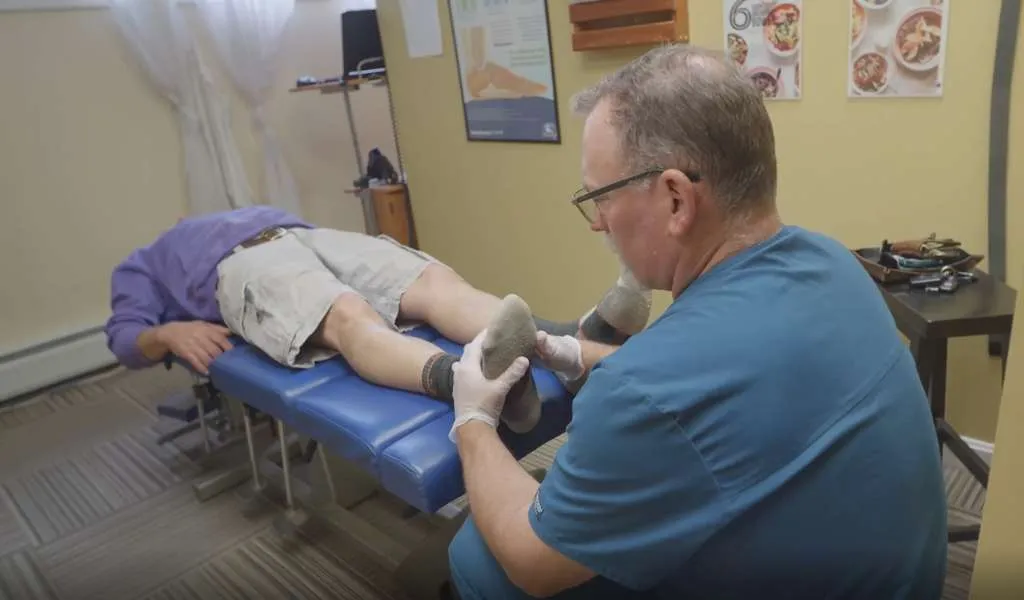
What Is Extremity Adjusting?
While most people associate chiropractic care with the spine, chiropractors trained in extremity adjusting extend that same precise, corrective approach to every joint in the body. Extremity adjusting involves the assessment and manual correction of misalignments and movement restrictions in joints outside the spinal column, including the shoulders, elbows, wrists, hands, hips, knees, ankles, and feet. These peripheral joints are subject to the same mechanical stresses, injuries, and degenerative changes that affect the spine, and they respond exceptionally well to skilled chiropractic manipulation.
At Chiropractic First, Dr. Townsend evaluates extremity joint function as part of every comprehensive examination. Many patients are surprised to learn that a problem in a distant extremity can directly contribute to spinal symptoms. A misaligned ankle, for example, can alter gait mechanics and create compensatory stress in the knee, hip, and lower back. By correcting the extremity problem, Dr. Townsend often resolves spinal complaints that were resistant to spinal adjustments alone.
How Extremity Misalignments Develop
Extremity joint misalignments can develop from a variety of causes. Acute injuries such as ankle sprains, shoulder dislocations, and wrist fractures often leave residual joint restrictions even after the initial injury heals. Repetitive occupational tasks like typing, lifting, or overhead reaching create cumulative microtrauma that gradually shifts joint alignment. Athletic activities place enormous forces through extremity joints, and even minor positional faults can snowball into painful conditions over time.
Degenerative changes, including osteoarthritis, also affect extremity joints. As cartilage wears and joint spaces narrow, the body compensates with altered movement patterns that can lock joints in suboptimal positions. Extremity adjusting can restore more normal mechanics to these joints, reducing pain and slowing further degeneration.
Common Extremity Conditions Treated
Dr. Townsend uses extremity adjusting at Chiropractic First to treat a broad range of conditions:
- Frozen shoulder and shoulder impingement
- Tennis elbow and golfer’s elbow
- Carpal tunnel syndrome and wrist pain
- Chronic ankle instability after sprains
- Knee tracking problems and patellofemoral syndrome
- Hip bursitis and restricted hip rotation
- Foot pain and arch dysfunction
- TMJ dysfunction and jaw misalignment
- Rib head subluxations causing chest and upper back pain
- Post-fracture joint stiffness
Each of these conditions involves a mechanical component where the bones forming a joint are not moving in their proper range or alignment. Restoring that mechanical integrity through adjustment often produces rapid pain relief and functional improvement.
What to Expect During an Extremity Adjustment
Extremity adjustments follow the same general principles as spinal adjustments but are adapted to the unique anatomy of each joint. Dr. Townsend stabilizes one side of the joint while applying a quick, controlled thrust to the restricted bone. The direction, depth, and force of the thrust are specific to each joint and each patient’s condition.
Most extremity adjustments take only a few seconds to perform. You may hear a popping sound as the joint releases, similar to a spinal adjustment. Pain during the procedure is minimal, and most patients experience immediate improvement in range of motion. Dr. Townsend may also recommend supportive therapies such as kinesiotaping, corrective exercises, or laser therapy to reinforce the adjustment and accelerate recovery.
The Connection Between Extremities and Spinal Health
The kinetic chain concept in biomechanics holds that the body functions as a connected system of joints and muscles. Dysfunction at one link in the chain creates compensatory stress at other links. A restricted ankle forces the knee and hip to absorb extra stress. A misaligned wrist can create tension patterns that travel through the forearm, elbow, and shoulder into the cervical spine.
Dr. Townsend’s ability to assess and treat the entire kinetic chain gives patients at Chiropractic First a significant advantage. Rather than treating symptoms in isolation, he identifies and corrects the biomechanical root cause, whether it originates in the spine or in an extremity joint.
Why Choose Chiropractic First for Extremity Adjusting
Dr. Townsend’s training in extremity adjusting allows him to provide care that goes beyond the typical spinal-only approach. Patients in South Burlington benefit from this comprehensive perspective, particularly those with stubborn conditions that have not responded to treatments focused solely on the spine. His thorough evaluation process identifies every contributing factor so your treatment plan addresses the full picture.
Schedule Your Appointment
Ready to find out if extremity adjusting is right for you? Call (802) 474-4258 or request an appointment to get started.
Ready to Get Started?
Contact us today and take the first step. Free consultations available.